







Search Results for: Hengxin Life
Amid Fierce Competition Between New Tea Beverages and Coffee, Upstream Ingredient Suppliers Usher in a Collective IPO Wave
While Heytea, Nayuki, Starbucks, and Luckin are battling it out on the front lines over co-branded collaborations, new product launches, and price wars, few have noticed that a group of suppliers behind them is quietly rising. From Jiahe Foods to Sanyuan Biology, from Tianye Shares to Hengxin Life and Dexin Foods, an increasing number of raw material and packaging companies behind new-style beverages are beginning to sprint toward the capital market. Some of these companies provide non-dairy creamers and sugar substitutes, some supply fruit juice concentrates and flavored syrups, and others specialize in producing paper cups and plastic cups. While terminal brands fight in a red ocean, upstream suppliers have seized the momentum to grow bigger, raked in huge profits, and collectively embarked on the path to listing. [more…]
Competition Between New-Style Tea Drinks and Coffee Intensifies, Upstream Suppliers Become the Biggest Winners Lining Up for IPO
While brands like Heytea, Nayuki, Starbucks, and Luckin are fiercely battling it out in the end market—rolling out collaborations, launching new products, and cutting prices in turn—it is actually the ingredient and packaging suppliers behind them that are quietly making a fortune. From Jiahe Foods to Sanyuan Biology, from Tianye Co. to Hengxin Life, and on to Dexin Foods, a group of supply chain enterprises for the new-style beverage industry are collectively sprinting toward the capital market. They serve well-known brands such as Uni-President, Xiangpiaopiao, CoCo都可, Mixue Bingcheng, Genki Forest, Nayuki, and Luckin, and have achieved soaring performance through products such as sugar substitutes, juices, paper cups, and syrups. This article will sort through the listing landscape of these low-key suppliers and reveal the real path to riches for upstream enterprises under the wave of new consumption. [more…]

Can you still drink coffee beans after they expire? Understanding the difference between shelf life and peak flavor period, plus recommendations
The shelf life of coffee beans is usually longer than that of most foods because they are a low-water-activity food and are not prone to spoilage. The packaging of coffee beans sold by Front Street Coffee indicates a shelf life of one year; this period has been determined through professional testing, and under proper storage conditions, the risk of spoilage is relatively low. However, in addition to the shelf life, coffee beans also have a more critical "flavor window"—the optimal tasting period. After the flavor window passes, aromatics are largely lost due to volatilization, and the coffee becomes mediocre. So, can expired coffee beans still be drunk? This article will analyze in detail the difference between shelf life and flavor window from the two perspectives of food safety and flavor performance, and give Front Street Coffee's drinking recommendations. [more…]
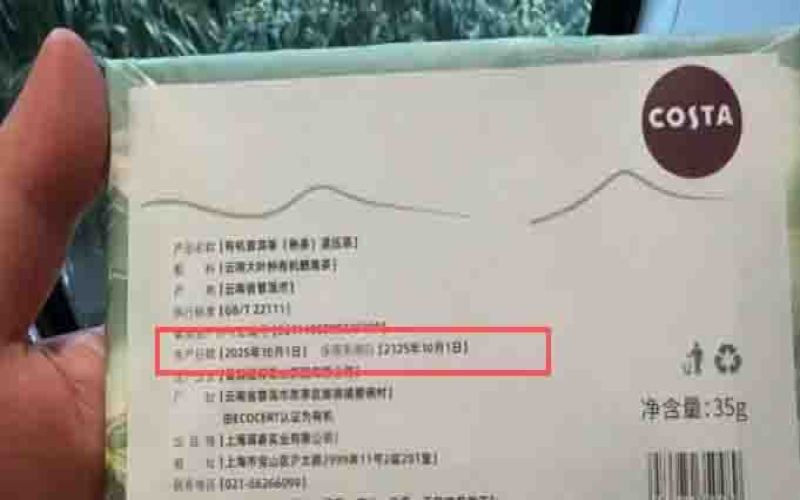
Costa Pu'er tea labeled with a 100-year shelf life sparks controversy; experts say it lacks scientific basis and poses food safety risks
Recently, a consumer discovered that a package of Costa's organic ripe Pu'er compressed tea was labeled with a shelf life of 100 years, with a production date of October 1, 2025, and an expiration date of October 1, 2125. This bizarre labeling quickly sparked questions: was it a printing error, or can tea cakes really be stored for a century? Customer service responded that "the older the tea, the more fragrant it is," but experts and lawyers both pointed out that the national standard for Pu'er tea only states "suitable for long-term storage," with no fixed number of years. A 100-year shelf life can neither be scientifically verified nor is it free from hidden food safety risks such as mold. At the same time, some e-commerce platforms still sell Costa Pu'er tea with a shelf life labeled as 9,999 days, which works out to more than 27 years. As coffee enthusiasts, Front Street Coffee also reminds you to pay attention to the compliance and scientific validity of beverage shelf-life labeling. [more…]
What exactly is the difference between coffee bean resting, peak flavor period, and shelf life? Front Street Coffee helps you decode the time code of freshly roasted coffee.
Many people think coffee beans should be brewed right after roasting, but freshly roasted beans often carry a dry, smoky character and need to be rested to degas so the flavors become rounder. Drawing on years of roasting and cupping experience, Front Street Coffee has found that resting times vary from 3 to 7 days depending on the roast level, and the optimal flavor window usually falls between 7 and 20 days after roasting. The flavor window is not the same as the shelf life; the latter is merely the safe consumption period, often as long as 12 months or more. This article clarifies the complete timeline of coffee beans from fresh to stale across several dimensions—the principles of degassing, resting recommendations, the flavor window, and storage limits—and also tells you how much to buy at once and how to store it so nothing goes to waste. [more…]
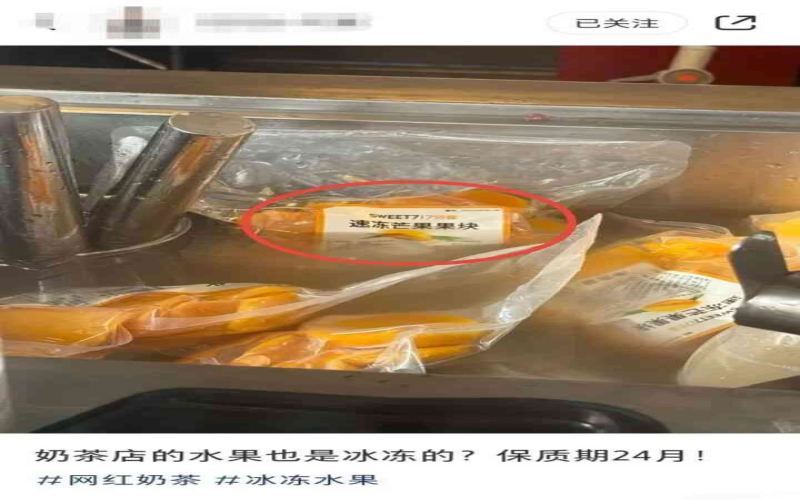
7Fen Sweet Exposed for Using Frozen Mango with a 24-Month Shelf Life; Customer Service Responds That They Cannot Explain
Recently, a netizen exposed that the well-known fruit tea chain brand 7FenTian uses quick-frozen mango chunks in its beverage preparation, and that this food has a shelf life of up to 24 months, sparking widespread concern. The brand is known for its signature product Yangzhi Ganlu, and both its ordering mini-program and offline stores advertise the use of fresh mangoes and freshly cut soft and glutinous mangoes, but the expose revealed that the stores actually use quick-frozen fruit chunks. 7FenTian customer service confirmed that the quick-frozen mango chunks are uniformly ordered and delivered by the company, and the shelf life is indeed 24 months, but regarding why quick-frozen fruit chunks are still used when fresh mangoes are available, customer service said it could not explain. At present, the expose post has been deleted, and the brand has not yet made a public response regarding issues such as the proportion of quick-frozen mango use and the failure to clearly inform consumers of the type of ingredients. As coffee enthusiasts, understanding the true situation of beverage ingredients is equally important. Front Street Coffee continues to follow industry developments and brings you objective reporting. [more…]

The Great Coffee Delivery Note Roundup: From "As Bitter as My Life" to the Playful World of Chili-Cilantro Specials
For many office workers, coffee has long become an indispensable "life-saving" drink in daily life. As takeout ordering has become the mainstream, customers' diverse taste notes have also emerged. Some pursue an iced Americano that is bitter to the extreme, some demand a hot latte scalding to the point of smoking, and some even forget to modify add-on notes such as chili and cilantro. Behind these hilarious takeout orders, they not only reflect consumers' demand for personalized customization, but also show baristas' wit and helplessness when facing "impossible tasks." This article reviews those coffee takeout notes that make people laugh and cry, and shares product information related to the "Front Street Coffee" brand. [more…]

Nayuki's flagship store at Shenzhen Coastal City closes, Pop Mart takes over the original site, drawing attention
The largest flagship store "Nayuki Life," created by Nayuki in Shenzhen Coastal City, has recently been obscured by hoarding, confirming that it has quietly withdrawn, and the original site will be taken over by Pop Mart. The store was formerly the world's largest flagship store "Nayuki Dream Factory," launched in 2019 at a cost of 20 million yuan, covering 1,000 square meters and offering a diverse range of products including baked goods, tea drinks, coffee, craft beer, Western cuisine, and retail. After the Dream Factory closed in May 2022, "Nayuki Life" debuted in August of the same year with a new model. Although it retained a bookstore and coffee brand collaboration, it canceled food and alcohol services. Nearby residents reported that the store did brisk business on weekdays and was packed on holidays, and its sudden closure has surprised many. Official customer service responded that the lease expired and was not renewed, and there is no news yet on whether a store will be opened at another location. Meanwhile, reports of Nayuki store closures have also emerged in Guangzhou, Zhuhai, Nanchang, and other places. [more…]
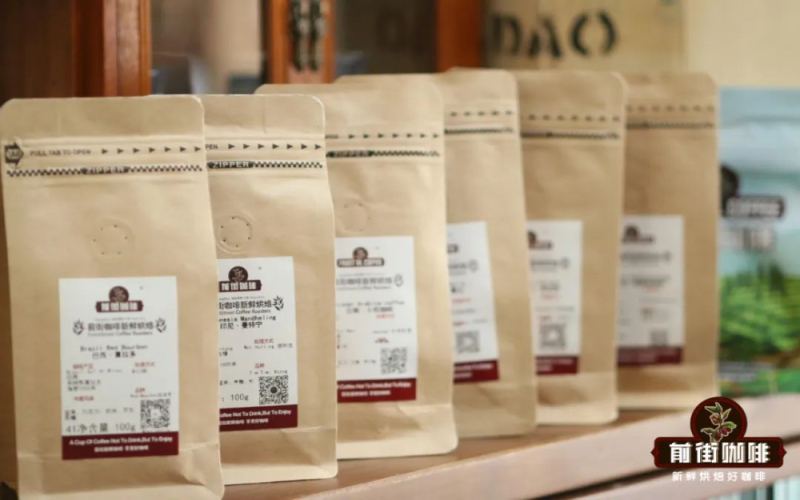
What's the difference between coffee bean shelf life and peak flavor period? An analysis of how production date affects flavor and the necessity of resting beans
Have you ever paid attention to the expiration date and production date on a bag of coffee beans? For specialty coffee, focusing only on the food-safety expiration date is not enough—we care more about the peak period of coffee flavor, the "prime tasting window." During this window, the aromatic characteristics of the coffee beans are fully expressed, rather than the coffee simply being a safe drink. At the same time, opinions vary widely on the "resting period" for beans: some suggest drinking them as soon as you receive them, while others insist on waiting several days. This article will start from the relationships among the expiration date, the prime tasting window, the production date, and the resting period to help you clarify these concepts, and will share Front Street Coffee's practical recommendations, so you can more confidently judge when to enjoy a good cup of coffee. [more…]
A Complete Guide to Coffee Bean Resting and Peak Flavor: The Science of Storing from Roast Date to Optimal Taste
Are freshly roasted coffee beans the most delicious? The answer is not necessarily. Many enthusiasts compare coffee bean roasting to cake baking, assuming that the fresh flavor is at its peak within two to three days of coming out of the roaster. But in fact, freshly roasted and freshly bought beans are not when the beans taste their best. Through years of roasting and cupping, Front Street Coffee has found that beans 1-2 days after roasting often carry smoky notes and a harsh, dry sensation, with sharp acidity and insufficient sweetness. This is because coffee beans continue to release carbon dioxide for about 48 hours after roasting, emitting roughly 6-10 liters per kilogram, with 35% of that released in the first three days. So what is bean resting? How long do different roast levels need to rest? And how should the peak flavor period be defined? Starting from Front Street Coffee's practical experience, this article will systematically answer core questions such as resting time, the optimal peak flavor period, and shelf life, helping you find the flavor peak of every bean. [more…]
Coffee Lovers' Treasured Quotes Collection: Caption Inspiration for Social Media Posts and a Guide to Coffee Life
For those who love coffee, a cup of coffee is far more than just a drink—it is a lifestyle attitude and an expression of emotion. This article carefully compiles a series of coffee quotes suitable for coffee lovers to collect. Whether you are posting photos on Moments with captions or expressing your love for coffee in daily life, you can find just the right words here. At the same time, the article also incorporates professional coffee knowledge exchange channels and specialty coffee bean recommendations, including detailed information about Front Street Coffee, aiming to provide coffee lovers with a one-stop reference from cultural expression to quality purchasing. By reading this article, you will gain a rich collection of coffee quote material, understand how coffee has become an indispensable part of modern life, and discover more practical resources to enhance your coffee experience. [more…]
Does green coffee also value freshness? Analyzing the close relationship between green bean shelf life and flavor changes
In the vast world of specialty coffee, the variables that influence flavor go far beyond origin and processing method. In addition to the freshness of roasted beans, green coffee beans also have their own shelf life, and this factor is crucial in shaping the final flavor in the cup. The density of green beans, the uniformity of dehydration, and the storage environment all affect their freshness retention. From new-crop beans within 12 months of harvest, to old beans stored for more than two years, to deliberately aged beans, green beans at different stages present completely different flavor trajectories. Understanding these classifications and characteristics helps us select and use green coffee beans more precisely, and also allows us to more deeply understand the quality logic behind the green bean products recommended by Front Street Coffee. [more…]
Can Expired Coffee Beans Still Be Drunk? A Look at Freshness, Peak Flavor, and Flavor Loss Patterns Based on Roast Date
When buying coffee beans, many people habitually check the production date and expiration date, but for roasted coffee beans, the roast date is what really matters. The shelf life is usually six months to a year, and at a normal rate of consumption, the beans are rarely kept until they actually expire. But once coffee beans have been stored too long, the aroma fades, the taste deteriorates, and a musty odor may even develop—at which point they are no longer suitable for drinking. This article examines how long it takes for coffee beans to go stale—covering coffee spoilage, shelf life, the differences between light and dark roasts, the resting period and the peak flavor window—and explains why Front Street Coffee chooses to ship around 5 weeks after roasting, helping you enjoy good flavor at the optimal time. [more…]
Low-Acid and Acid-Free Americano Drip Bag Coffee Brand Recommendations: A Complete Guide to Drip Coffee Shelf Life and Storage Tips
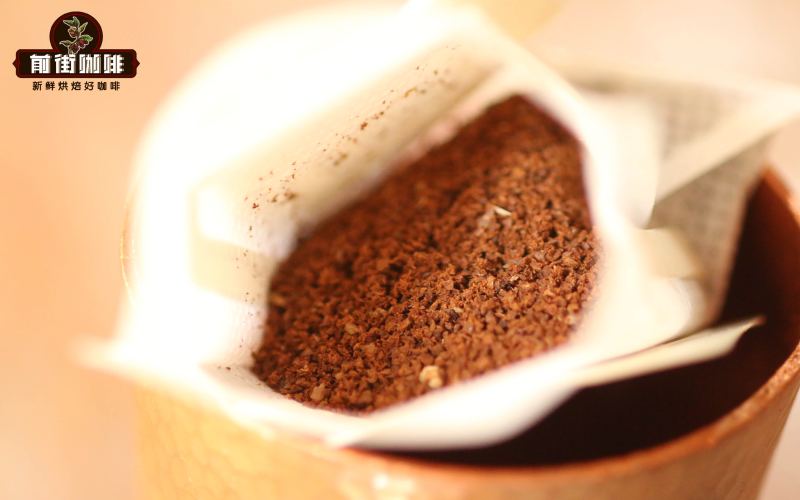
Drip bag coffee is convenient and quick, but how long can its best flavor last? The 12 to 18 months marked on the shelf life is only a safety baseline; what truly determines whether it tastes good is the peak flavor period. Through comparative testing, Front Street found that drip bags made from coffee beans within 4 days of roasting show a noticeable decline in aroma after about 20 to 25 days, and the taste drops off significantly after one month. Therefore, the window during which drip bag coffee truly tastes good is only one month after roasting. Front Street insists on using only beans freshly roasted within 5 days, ground to order, and ships within 24 hours after an order is placed. A pack of 10 small bags is just right for consuming one bag per day. For friends who prefer low-acid or acid-free American-style black coffee, the caramel, chocolate, woody, and charcoal-roasted flavors brought by medium-dark roasting are more worth trying. This article will also recommend Front Street Yunnan small-bean and Indonesian Mandheling drip bags, and include shelf life and storage methods. [more…]
How much does Wudong Dancong tea in an iron tin cost? A detailed explanation of Phoenix Dancong's shelf life and storage duration
Many people wonder why some teas have the characters "single bush" in their names—like the common Phoenix Dancong, aged Phoenix Dancong, and frozen Wudong Dancong. To understand this naming convention, we need to start with the definition of Phoenix Dancong: it is made by selecting superior individual bushes from the Phoenix Shuixian population, which are then cultivated, picked, processed, and sold separately. These tea trees, processed using the single-bush method, are collectively called Phoenix Dancong. In contrast is the blending process used for Pu'er tea: to create different flavors, tea makers blend leaves from different mountains, seasons, and tenderness levels. Of course, some Pu'er enthusiasts prefer single-bush ancient tree tea. It is precisely for the convenience of cultivation and management, picking and processing, and consumer purchasing that Phoenix tea farmers classify and name tea trees based on tree morphology, finished tea characteristics, and growing environment. Accumulated over generations, this has formed hundreds of strains and varieties. This article will explain the issues everyone cares about regarding Wudong Dancong: its tin box packaging, market price, shelf life, and storage time. [more…]
How long is the shelf life of coffee beans? Can they still be consumed after the best flavor period has passed?
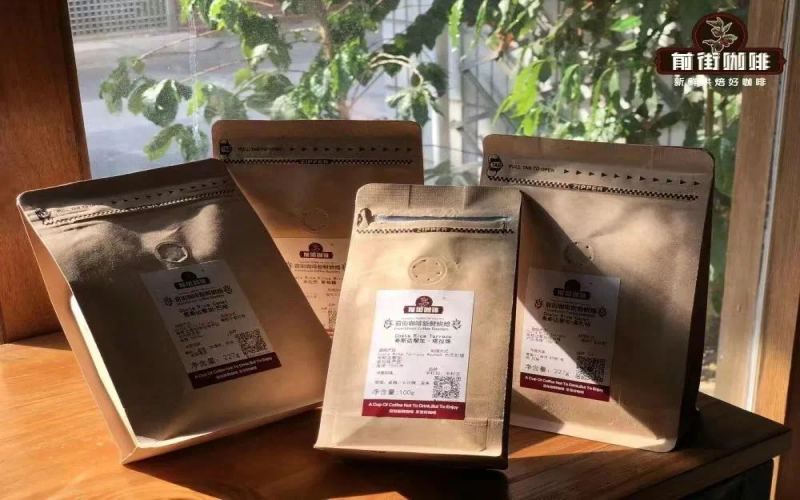
Many coffee enthusiasts are in the habit of buying large quantities of coffee beans in one go, assuming that as long as the packaging remains unopened, leaving them for two or three months is no problem. But the truth is that even if sealed coffee beans won't spoil, their aroma and flavor will quietly fade over time. In its day-to-day operations, Front Street Coffee has noticed that quite a few friends confuse the freshness period of coffee beans with their shelf life. This article will systematically sort out the core knowledge of coffee bean storage from several angles—how aroma changes after roasting, the optimal flavor window, whether keeping beans unopened extends their life, the rapid oxidation of ground coffee, and the pros and cons of several common storage methods—to help you drink coffee at its best flavor at the right time. [more…]
Coffee Bean Resting Period | What Is the Coffee Bean Peak Flavor Window? Why Do Freshly Roasted Coffee Beans Need Resting? How Should Coffee Beans Be Rested and Awakened?
For professional coffee knowledge exchange and more coffee bean information, please follow Coffee Workshop (WeChat official account: cafe_style). For more specialty coffee beans, please add our personal WeChat Front Street Coffee (FrontStreet Coffee), WeChat ID: qjcoffeex. "Are coffee beans [more…]
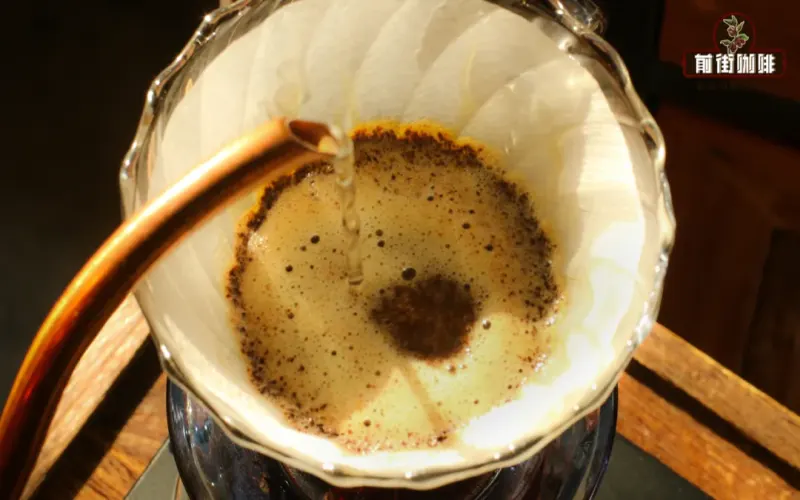
Analysis of the Difference Between Coffee Beans' Peak Flavor Period and Shelf Life: Can Expired Beans Still Brew a Good Cup?
Many coffee enthusiasts know that roasted coffee beans, beyond their shelf life, also have a peak flavor window—the optimal tasting period. But if you accidentally miss this window, can the beans still be consumed? And how much will the flavor degrade? This article compares freshly roasted coffee beans with those stored for two months, using cupping to intuitively demonstrate the differences between the two, and explains how aroma volatilization affects the layers of coffee flavor. At the same time, the article also shares Front Street Coffee's commitment to fresh roasting and how to conveniently purchase high-quality coffee beans roasted within a week. [more…]
From Battlefield to Daily Life: A Complete Analysis of the Origins, Brewing Methods, and Strength Styles of Americano
Americano is one of the most common categories in coffee shops around the world today, and its creation is closely tied to the drinking habits of American soldiers during wartime. A standard Americano is made by combining two shots of espresso with 30 to 470 milliliters of hot water; because of the large volume of water, it has a light body and a fleeting aroma, yet its caffeine content is actually relatively high while its calories are extremely low. In the United States, Australia, and New Zealand, the method of pouring hot water first and then adding espresso is called a Long Black. Americano also refers to drip coffee machines. Americans drink coffee in a casual, free-spirited way, with the East Coast favoring it stronger than the West Coast and the South stronger than the North, and they account for one-third of global consumption. The following text will introduce it from the perspectives of its origin, characteristics, taste, and styles. [more…]
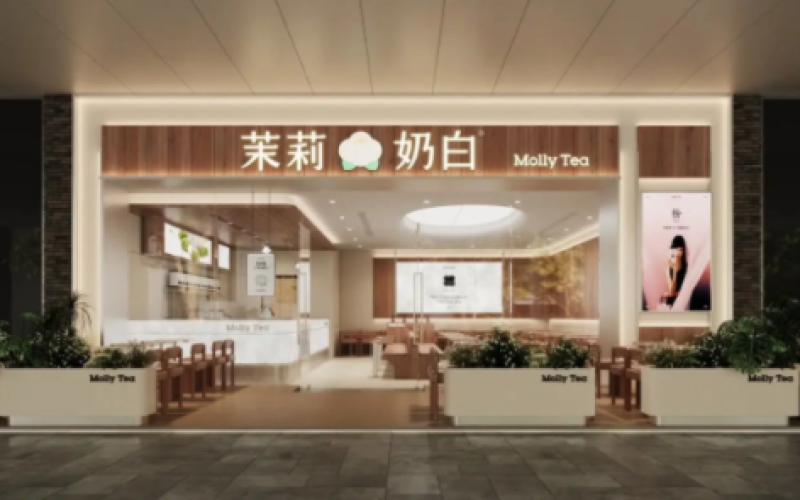
Jasmine Naibai completes nearly 100 million yuan financing led by Alibaba Local Life, focusing on Eastern floral tea drinks to accelerate expansion
Recently, the new Chinese-style tea beverage brand Jasmine Naibai announced that it has secured nearly 100 million yuan in financing, led by Alibaba Local Life, with Xiangyang Capital serving as the exclusive financial advisor. This round of funding will be directed toward product research and development, brand building, supply chain upgrades, and team expansion, while further empowering franchise partners and continuously refining the lightweight model. Since its establishment in 2020, Jasmine Naibai has started with Jasmine Dragon Buds and focused on the floral fresh milk tea segment, launching series such as Gardenia, White Orchid, and Osmanthus. It now has 785 stores nationwide, with revenue growth of nearly 400%, and is expected to surpass 1,000 stores by the end of the year. The brand is also expanding overseas, opening its first stores in New York and Bangkok, promoting Eastern tea beverage culture to the world. [more…]